
For the past two decades, the Christopher Pearson lab has studied the mechanisms of disease-causing repeat instability associated with neurological, neurodegenerative, and neuromuscular disease, with the goal of developing effective treatments. In addition to a focus on how DNA repair can drive disease-causing repeat mutation, his lab also studies how DNA repair can protect against cancer-causing mutations. He has published over 95 peer-reviewed studies.
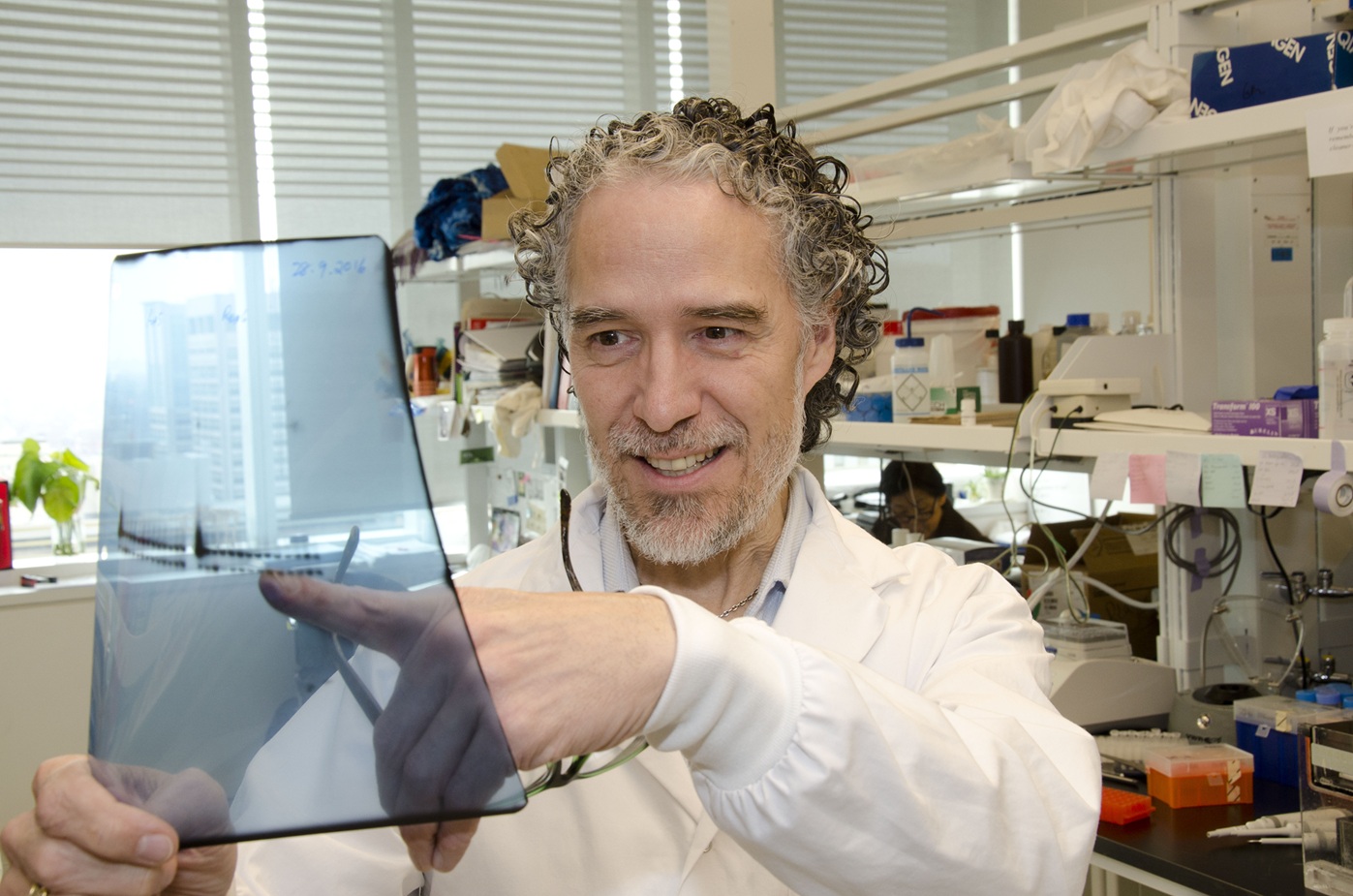
Dr. Christopher E. Pearson, PhD
Principal Investigator
Senior Scientist | Genetics and Genome Biology Program, The Hospital for Sick Children
Canada Research Chair (Tier 1) | Disease-associated Genome Instability
Full Professor | Department of Molecular Genetics, University of Toronto
Meet the leader, who guides our lab’s vision and mentors the next generation of scientists.Dr. Christopher Pearson received his PhD from McGill University (1994) studying DNA replication and protein- cruciform-DNA interactions, then did a post-doctoral fellowship in the Texas Medical Center in Houston to elucidate the mechanism of disease-causing repeat instability in myotonic dystrophy, spinocerebellar ataxia, Huntington’s disease, and fragile X mental retardation.
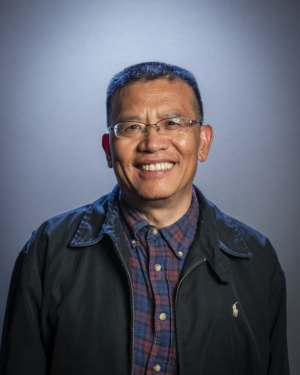
Peixiang (Peter) Wang
Senior Research Associate
Peter earned his PhD from the University of Melbourne (Australia). His research focuses on uncovering the mechanisms underlying repeat instability and disease progression using a range of disease models. In addition to his research, Peter supports laboratory operations and oversees the maintenance of mouse colonies for repeat expansion diseases in the Christopher Pearson Lab.

Kristie Feng
Technologist I
Kristie graduated with a B.Sc. in biomedical science from the University of Waterloo before joining the Christopher Pearson Lab. Her role centers around mouse surgical procedures and providing day-to-day support to students and staff. Outside of the lab, she enjoys rock climbing, traveling, and baking.
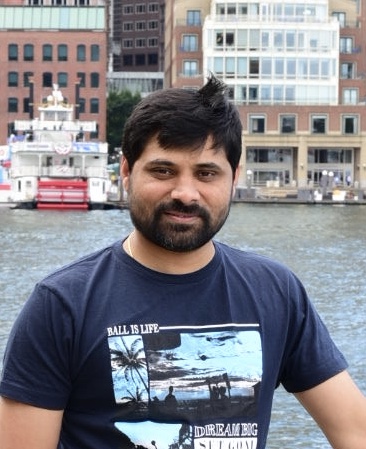
Amit Deshmukh
Postdoctoral Fellow
Amit’s work focuses on understanding the mechanism of somatic repeat instability and targeting it for therapy. Outside of the lab, Amit enjoys spending time with his family, playing cricket, camping, and exploring Toronto.
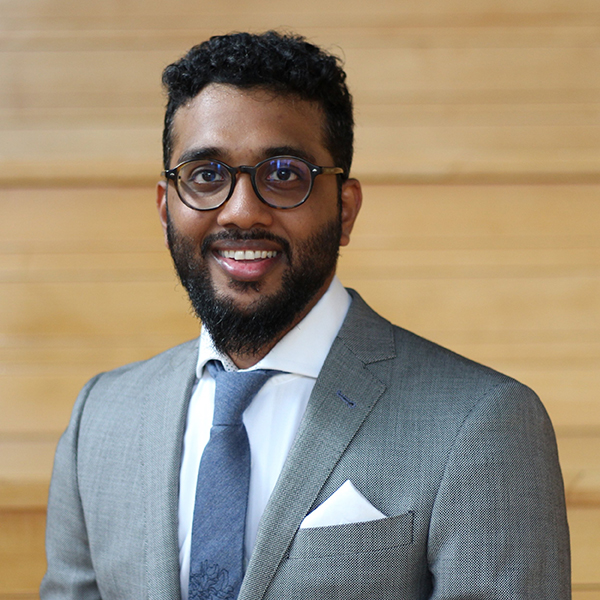
Terence Gall-Duncan
Postdoctoral Fellow
Terence earned his PhD in Molecular Genetics at the University of Toronto. Terence’s main research interests are in developing therapeutics for neurodegenerative repeat disease and in unravelling mechanism of somatic repeat expansions. In his free time, Terence enjoys hiking, bird watching, painting, and gardening

Mustafa Mehkary
PhD Candidate
Mustafa joined the Christopher Pearson Lab in 2021. He holds a Master’s degree in Neuroscience. His primary research interest is Huntington disease, exploring how DNA repair proteins impact disease progression. In addition to lab research, Mustafa serves as a member of the scientific research committee for HDYO (Huntington’s Disease Youth Organization) and is a member of the HD (Huntington Disease) community advisory board. In his free time, he enjoys soccer, hiking and bouldering.
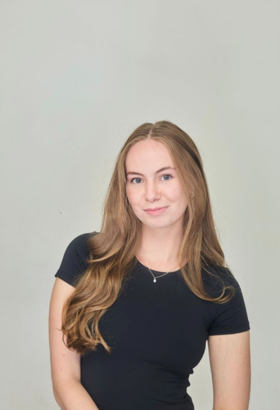
Isabelle Quick
PhD Candidate
Isabelle is a PhD candidate in the Department of Molecular Genetics at the University of Toronto and the Genetics and Genomic Biology program within Research Institute at SickKids. Her research focuses on characterizing phenotypic benefits associated with small molecule targeting somatic repeat instability in mouse models of Huntington’s Disease.

Shuqian Tang
PhD Candidate
Shuqian is a PhD candidate in the Department of Molecular Genetics at the University of Toronto and is also a part of the Genetics & Genome Biology program within the Research Institute at the Hospital for Sick Children. Her research focuses on the molecular mechanisms and therapeutic targeting of repeat expansion disorders, particularly myotonic dystrophy type 1(DM1).
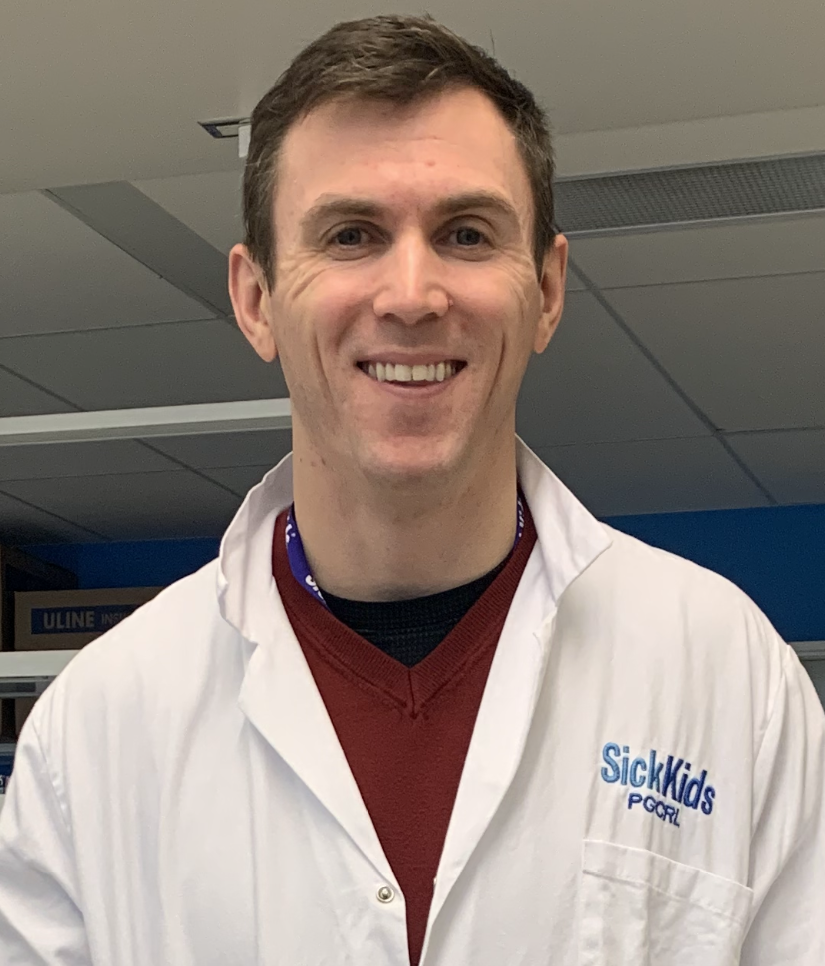
Casey Herrington
PhD Candidate
Casey is a PhD candidate in the Department of Molecular Genetics at the University of Toronto. He is conducting research out of the Christopher Pearson Lab at the Peter Gilgan Centre for Research and Learning under the supervision of Dr. Christopher Pearson. His research focuses on identifying therapeutics capable of contracting mutant CAG repeat tracts.
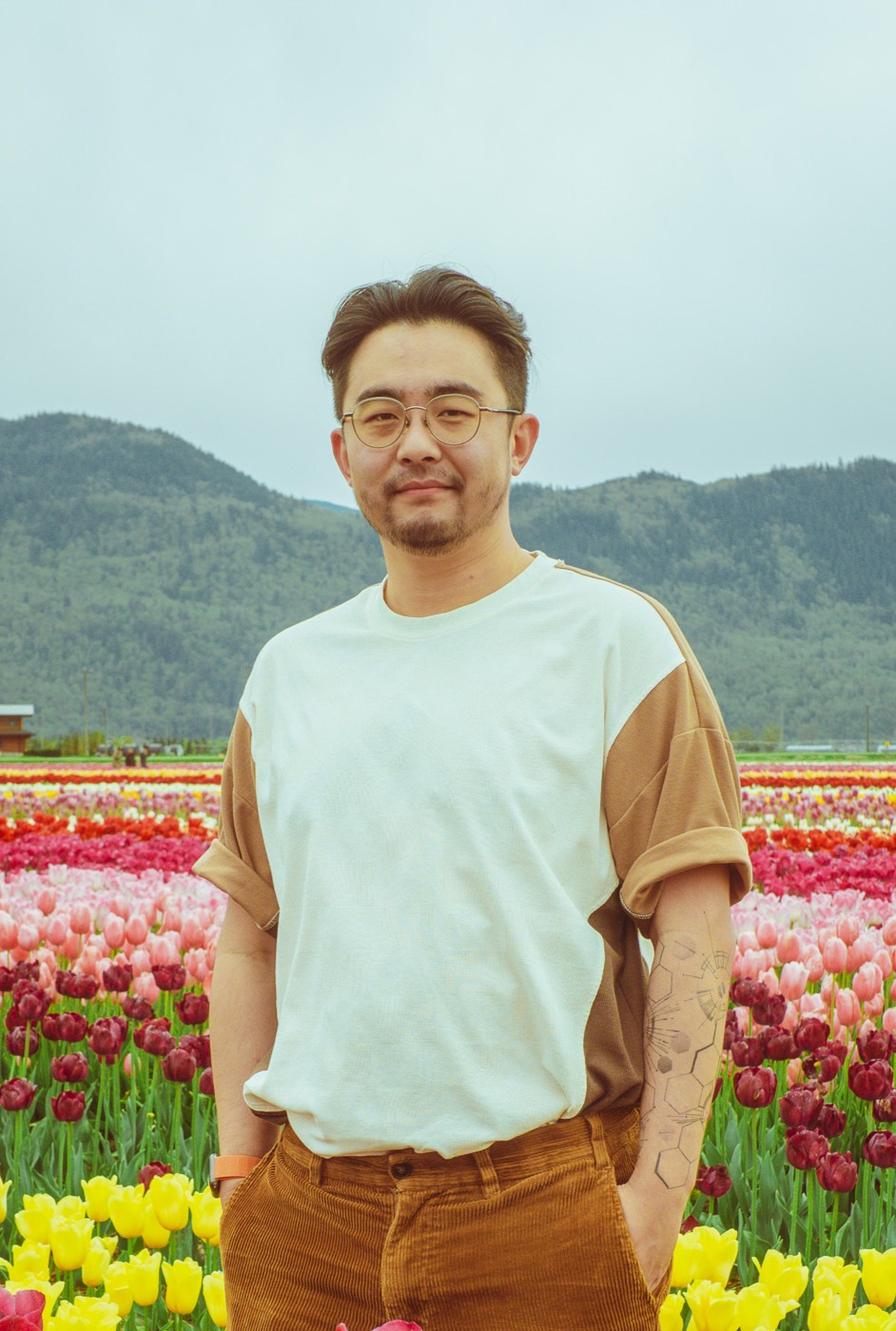
Duo Cheng
PhD Candidate
Duo’s research primarily explores how TDP-1 activity, a DNA-repair enzyme, shapes somatic instability in repeat-expansion neurodegenerative diseases. Previously, Duo earned an M.Sc. in Cell & Developmental Biology from the University of British Columbia in Vancouver and worked at the Blusson Spinal Cord Research Centre at Vancouver General Hospital, investigating epigenetic barriers that halt axonal regeneration after injury.

Isha Singh
M.Sc. Candidate
Isha completed her B.Sc. in Molecular Genetics and Microbiology, and Biochemistry at the University of Toronto and is currently pursuing her M.Sc. in the Department of Molecular Genetics at University of Toronto. She is interested in the role of DNA damage and tandem repeat expansions in neurodegenerative and neurodevelopmental diseases. Outside of the lab, Isha enjoys dragon boating, reading, and going for walks.