The BEACON lab recognises and supports the Neurodiversity. According to Austin and Pisano (2017), neurodiversity is the idea that conditions like autism, ADHD, and other neurodevelopmental conditions, are the result of normal, natural variation in the human genome. People with these conditions do not need to be cured but instead provided with better supports and accommodated in society.
As researchers, it is very important we recognise that not all people with neurodevelopmental conditions require medical intervention(s) and they can lead perfectly healthy and fulfilling lives with potentially minimal additional supports. Their traits are part of their unique personalities and are not something to be thought of as “abnormal” or “disordered” but that society should better accommodate and support them. However, for some people with neurodevelopmental conditions, the intensity of their unique symptom profiles can be disabling or cause significant distress i.e., communication issues/non-verbal, anxiety, learning/cognitive difficulties, seizures, highly restrictive behaviours, aggressive behaviours, mobility issues, hyperphagia, psychotic episodes. Thus, the focus of our research is not to change the incredible personalities of these individuals but instead to help alleviate these disabling or distressing symptoms through improving medical diagnostics and interventions. Thus, we take a health positive approach, where the focus of our research is on one’s agency and not their so called “deficits”. Through this research, we aspire to help those with neurodevelopmental conditions reach their full potential.
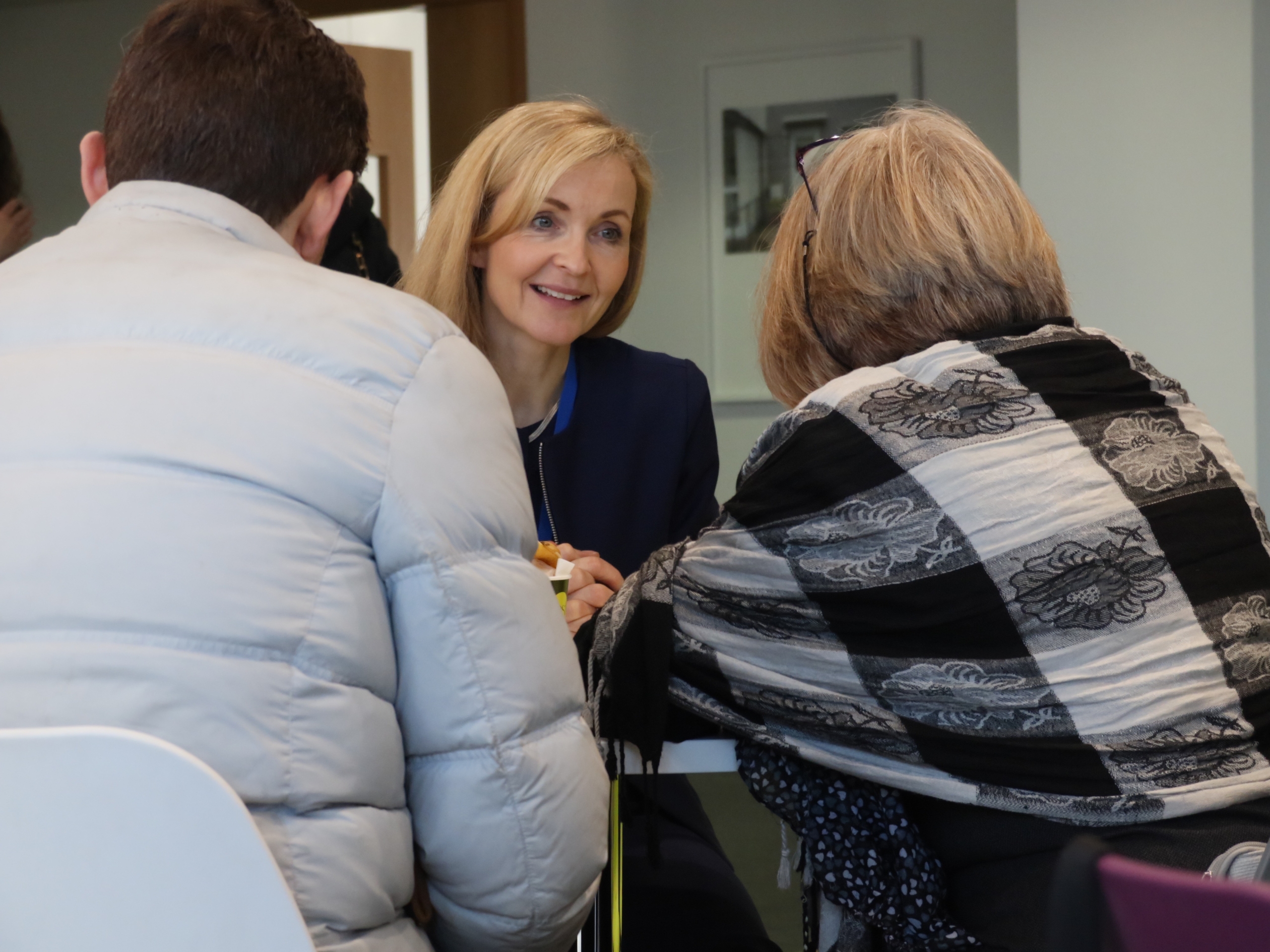
To help guide our research and deliver on our key mission, we are firm believers in patient and public involvement (PPI) and co-creation. We have run our own PPI initiatives and events and involve advocates and representative in co-creation efforts. We believe this is the best way to engage our key research stakeholders and highlight the most relevant outcomes for our participants and families.
We uphold the principle of “Nothing about us without us” and respect Neurodiversity.
Dr. Louise Gallagher, MB BCh BAO MRCPsych PhD
Chief, Child and Youth Mental Health Collaborative
The Hospital for Sick Children, Centre for Addiction and Mental Health
Professor and Head of Division of Child and Youth Mental Health, University of Toronto
Patsy and Jamie Anderson Chair in Child and Youth Mental Health