
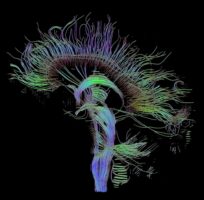
Changes in how the brain looks and acts over time, especially in relation to memory
What is being studied?
We are doing this study to see how the brain changes over time in children treated with cranial radiation (radiation to the head) for a brain tumour (medulloblastoma). We will compare the brains of children treated for a brain tumour with those of children who have never had a brain tumour. We will be looking at both how the brain looks and works, focusing on memory.
What will my child need to do?
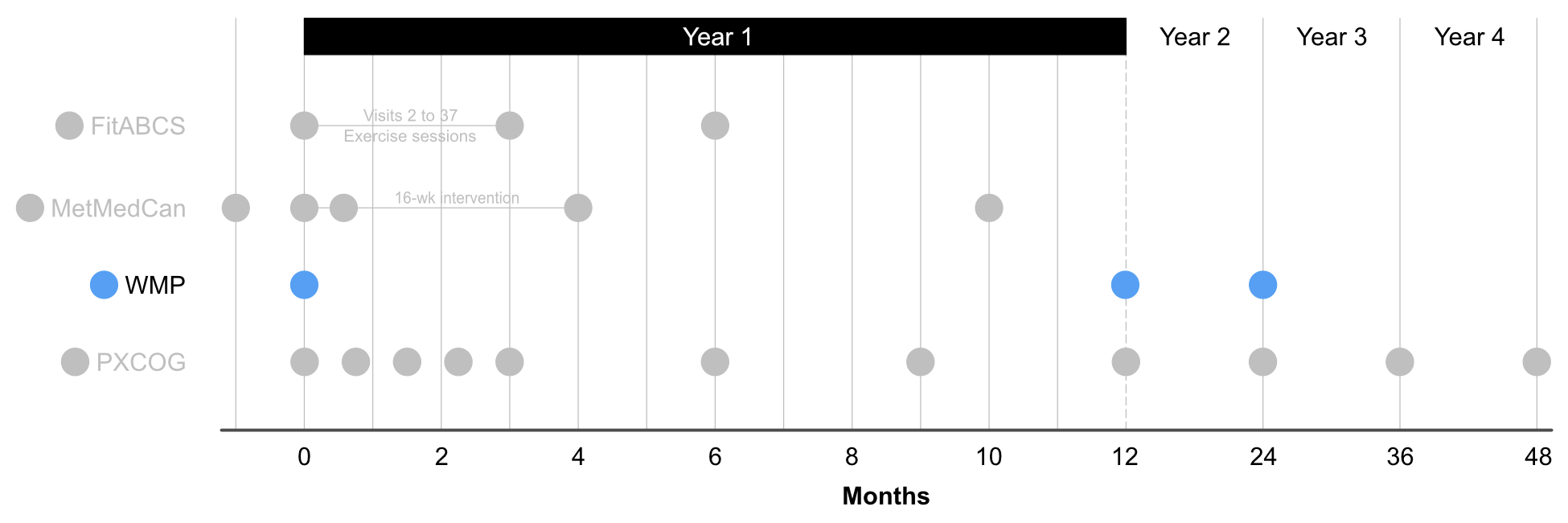
Your child would need to come to SickKids once a year for 3 years. In total, the testing will last about 7 hours (plus time for breaks and lunch). If you are unable to finish all the tasks in one day, you will be asked to come back to SickKids within 2 weeks to finish remaining tasks.
The tasks that your child would do during each of these 3 visits are described below. Study visits will consist of: (1) MRI, (2) MEG, (3) Virtual Navigation Task, and (4) Cognitive (Thinking) Tasks.
- Your child will have pictures taken of their brain using the Magnetic Resonance Imaging scanner (MRI – no contrast). Your child will be asked to lie very still (like a statue) in the MRI scanner for about 60 minutes while the scanner is taking the pictures. There are no known risks of MRI. These brain scans do not involve radiation like the X-Rays your child may have had if he/she had broken a bone.
- A Magnetoencephalography (MEG) scan will also be needed. This is a non-invasive, harmless imaging technique that records the magnetic activity that your brain creates when it is active. Your child will do 3 different game-like tasks while they are in the MEG (1 hour), in addition to tasks outside of the MEG (1 hour). Total time for the MEG (and related pre- and post-scan tasks) will be about 1.5 to 2 hours.
Some children may not like lying down in the MRI or MEG machines. If your child becomes upset in the scanner, the imaging will be stopped. Your child will be able to communicate with the MRI technologist at all times during the scan.
- Your child will be asked to do a Virtual Navigation Task on a computer. During the task, your child will be given a start point and asked to move towards an end point. The images on the screen will look like a city. This task will take about 30 to 45 minutes.
- Your child will do a number of Cognitive (Thinking) Tasks, using a computer and talking. These tasks are designed to look at memory and intelligence. These tests are like games. This will take about 1.5 hours.
- Brain imaging
-
- Your child will have pictures taken of their brain using the Magnetic Resonance Imaging scanner (MRI – no contrast). Your child will be asked to lie very still (like a statue) in the MRI scanner for about 60 minutes while the scanner is taking the pictures. There are no known risks of MRI. These brain scans do not involve radiation like the X-Rays your child may have had if he/she had broken a bone.
- A Magnetoencephalography (MEG) scan will also be needed. This is a non-invasive, harmless imaging technique that records the magnetic activity that your brain creates when it is active. Your child will do 3 different game-like tasks while they are in the MEG (1 hour), in addition to tasks outside of the MEG (1 hour). Total time for the MEG (and related pre- and post-scan tasks) will be about 1.5 to 2 hours.
Some children may not like lying down in the MRI or MEG machines. If your child becomes upset in the scanner, the imaging will be stopped. Your child will be able to communicate with the MRI technologist at all times during the scan.
- Non-imaging tasks
-
- Your child will be asked to do a Virtual Navigation Task on a computer. During the task, your child will be given a start point and asked to move towards an end point. The images on the screen will look like a city. This task will take about 30 to 45 minutes.
- Your child will do a number of Cognitive (Thinking) Tasks, using a computer and talking. These tasks are designed to look at memory and intelligence. These tests are like games. This will take about 1.5 hours.
Who can participate in this study?
Your child can take part in the study if they:
- Are between 6 and 17 years of age
- Has either English as their native language or has had at least two years of schooling in English
- Were diagnosed with medulloblastoma
- Diagnosed within 15 years
- Received treatment with cranial radiation
Your child cannot take part in the study if they:
- Were diagnosed with a neurodevelopmental or neurological disorder, cerebral palsy, developmental delay, or learning disability prior to initial brain tumour diagnosis
- Require sedation for MRI imaging
- Have any metal parts in their body (e.g., cochlear [ear] implant, braces). Note that some dental fillings and retainers are acceptable.
- Are receiving palliative care
Reimbursement
- Reasonable out of pocket expenses, which may include transportation costs (e.g., mileage, public transportation, parking) and lunch on study visit days
- $15 gift card after study visit(s)
- Volunteer certificate (if applicable)
- Summary of cognitive (thinking) test results
For more information about the study, contact a study team member:
- Cynthia de Medeiros (Research Manager) at 416-813-7396
- Fatma Al-Rubeye (Research Assistant) at 416-813-1500 ext 301741
- Lisa Nham (Research Assistant) at lisa.nham@sickkids.ca
or send us a message using the form at the bottom of this page.
Study timeline
Thank you for reading!
If you’re interested in participating or have any questions, please email/call with the address/number above or use the form below.